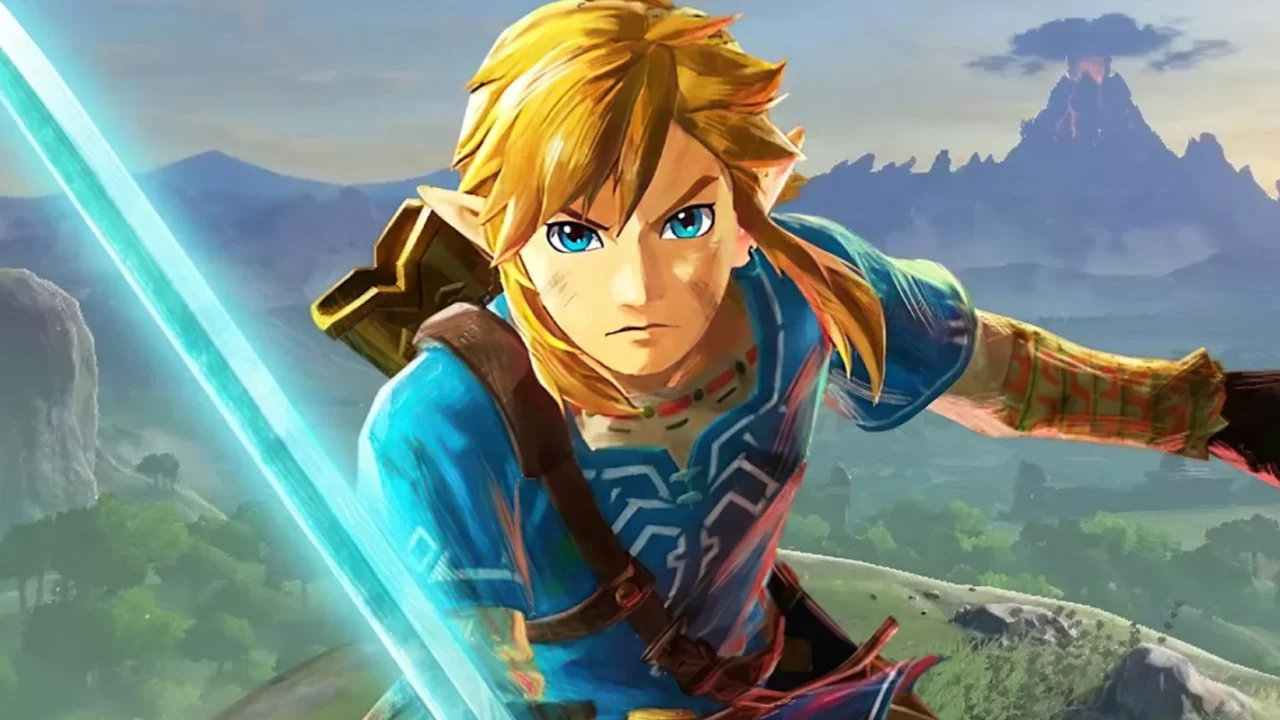
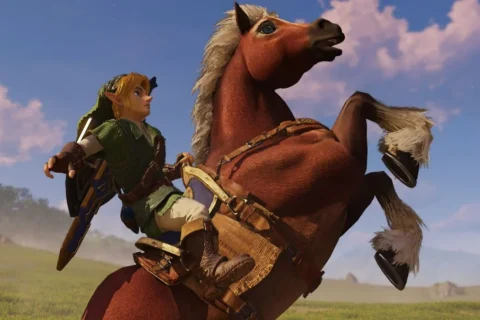
In 1998, The Legend of Zelda: Ocarina of Time revolutionized a medium still figuring out the jump to 3D, handing the industry a blueprint that is still followed today. Nearly 20 years later, Nintendo did it again. Unlike OoT, The Legend of Zelda: Breath of the Wild entered the scene when the open-world genre had already matured. That didn’t stop the 2017 Game of the Year winner from tearing the scaffolding down and turning the genre on its head. Most open-world games of its era, such as The Elder Scrolls or Far Cry, were locked in a never-ending battle to populate their worlds with more: more icons littering the map, more collectibles to distract you from your journey, more cloned NPCs providing a false sense of a living world. Nintendo’s first attempt at a modern open-world Zelda opted for a surprising approach: It decided to give the players less.

‘Ocarina of Time’ Revolutionized Gaming. Nearly 20 Years Later, ‘Breath of the Wild’ Pulled It Off Again
Elden RingPublished 1 min read